Бесплатный урок с нашим репетитором!

Узнать подробнее

Новая Школа - онлайн-школа подготовки к ЕГЭ
При поддержке
Посмотреть все вопросы нейросети
Бесплатный пробный урок с репетитором

Узнай больше про репетиторов Новой Школы и запишись на бесплатный пробный урок. Мы проверим твой уровень знаний и составим план обучения по любому предмету и классу

Вопрос от Анонимного юзера 28 января 2025 14:41

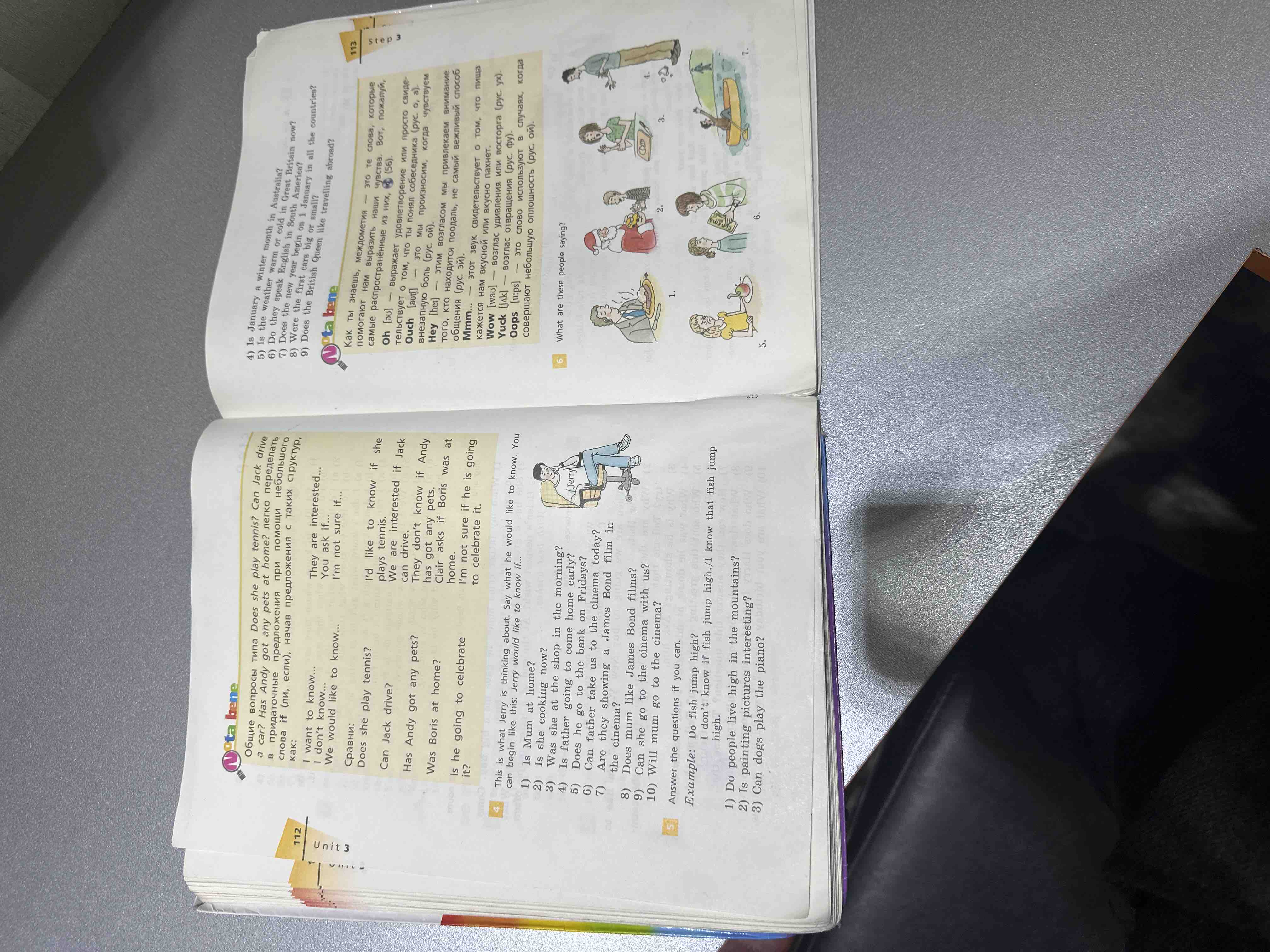
Реши 5 номер

Ответ нейросети

28 января 2025 14:41

To solve the exercise, let's break it down step by step. The pictures in the book serve as a guide to forming sentences with modal verbs and to practice asking and answering questions. Here's how we can work on it:

  1. Look at the pictures:
    The pictures depict various activities that children might choose to do in their free time.

  2. Identifying activities:
    There are several activities shown in the pictures (reading, playing, watching TV, etc.).

  3. Using modal verbs and constructing questions:

    • Can: Used to express ability or permission.
    • Is/Are… going to: Used to express future plans or intentions.
  4. Form possible questions and answers:

    • Can they play tennis?

      • Yes, they can. / No, they can't.
    • Is she going to read a book?

      • Yes, she is. / No, she isn't.
    • Are they going to watch TV?

      • Yes, they are. / No, they aren't.
  5. Practicing forming sentences:

    • Create sentences based on the images and practice using the modal verbs and future tense structure.
    • For example: "Is he going to play football?" followed by "Yes, he is" or "No, he isn't" depending on the picture.
  6. Understanding context:

    • The goal of this exercise is to familiarize students with asking and answering questions about abilities and future plans using appropriate grammar structures.
  7. Additional Practice:

    • Encourage creating additional questions based on other activities: "Can she play the guitar?" or "Are they going to visit the park?"

By practicing these sentences and questions, students will improve their understanding and use of modal verbs and the "going to" form for expressing future intentions.

Задай свой вопрос

Напиши любую задачу или вопрос, а нейросеть её решит

Похожие вопросы 15

Бесплатно Мобильное приложение ГДЗ
Мобильное приложение ГДЗ

Задавай вопросы искуcственному интеллекту текстом или фотографиями в приложении на iPhone или Android

qr-codegoogle-playapp-store

Саша — ассистент в телеграмме

Реши 5 номер
To solve the exercise, let's break it down step by step. The pictures in the book serve as a guide to forming sentences with modal verbs and to practice asking and answering questions. Here's how we can work on it: 1. **Look at the pictures:** The pictures depict various activities that children might choose to do in their free time. 2. **Identifying activities:** There are several activities shown in the pictures (reading, playing, watching TV, etc.). 3. **Using modal verbs and constructing questions:** - **Can**: Used to express ability or permission. - **Is/Are… going to**: Used to express future plans or intentions. 4. **Form possible questions and answers:** - **Can they play tennis?** - **Yes, they can.** / **No, they can't.** - **Is she going to read a book?** - **Yes, she is.** / **No, she isn't.** - **Are they going to watch TV?** - **Yes, they are.** / **No, they aren't.** 5. **Practicing forming sentences:** - Create sentences based on the images and practice using the modal verbs and future tense structure. - For example: "Is he going to play football?" followed by "Yes, he is" or "No, he isn't" depending on the picture. 6. **Understanding context:** - The goal of this exercise is to familiarize students with asking and answering questions about abilities and future plans using appropriate grammar structures. 7. **Additional Practice:** - Encourage creating additional questions based on other activities: "Can she play the guitar?" or "Are they going to visit the park?" By practicing these sentences and questions, students will improve their understanding and use of modal verbs and the "going to" form for expressing future intentions.