Бесплатный урок с нашим репетитором!

Узнать подробнее

Новая Школа - онлайн-школа подготовки к ЕГЭ
При поддержке
Посмотреть все вопросы нейросети
Бесплатный пробный урок с репетитором

Узнай больше про репетиторов Новой Школы и запишись на бесплатный пробный урок. Мы проверим твой уровень знаний и составим план обучения по любому предмету и классу

Вопрос от Анонимного юзера 24 февраля 2025 10:55

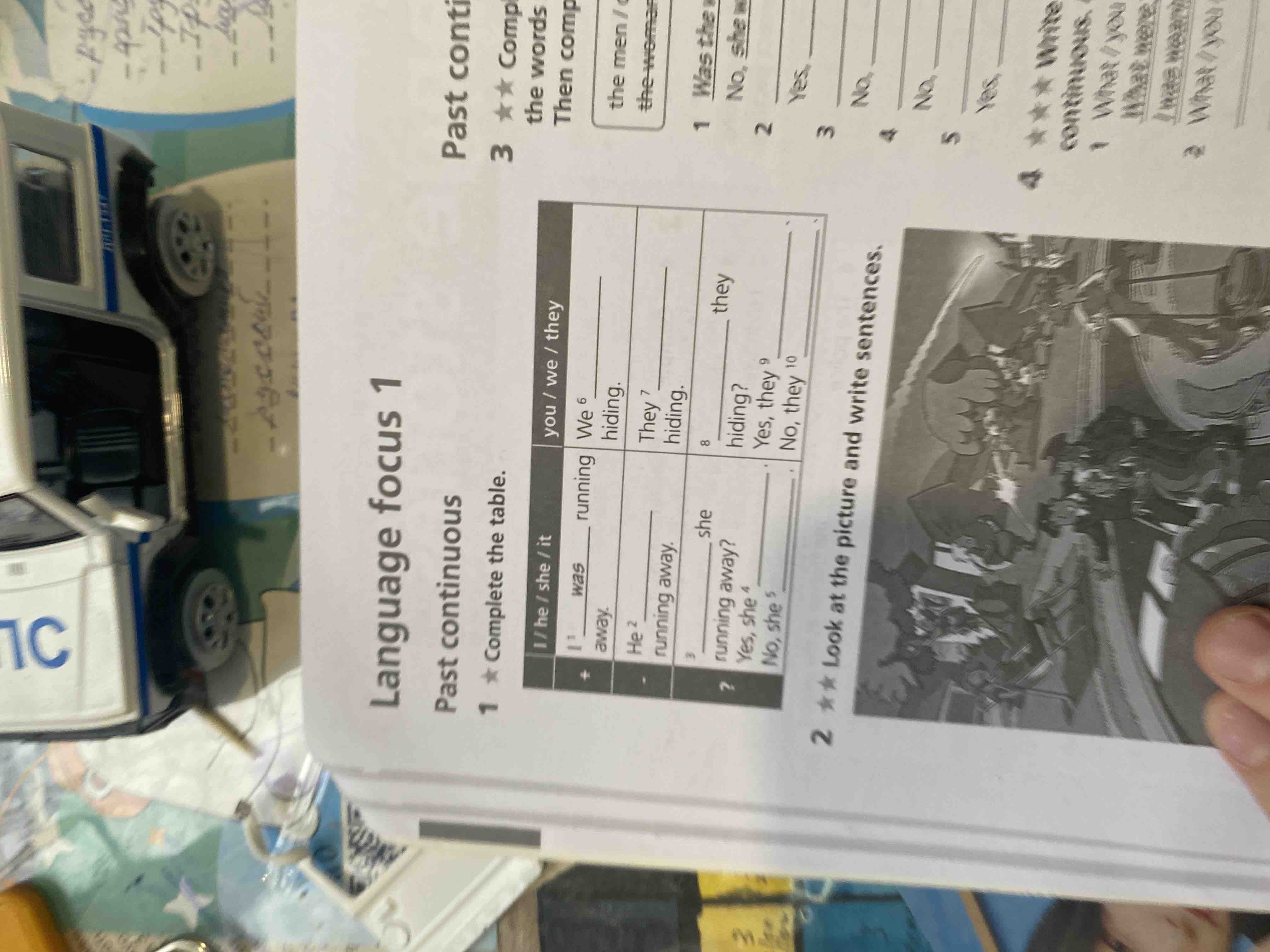
Complete the table
Ответ нейросети

24 февраля 2025 10:55

To complete the table using the past continuous tense, you'll need to fill in the missing parts with the correct form of "to be" (was/were) and the verb with "-ing." Here's the completed table:

Running away Hiding
I / he / she / it was running away was hiding
You / we / they were running away were hiding
He? Was he running away? Was he hiding?
Yes, Yes, he was. Yes, he was.
No, No, he wasn't. No, he wasn't.
You/they? Were you/they running away? Were you/they hiding?
Yes, Yes, we/they were. Yes, we/they were.
No, No, we/they weren't. No, we/they weren't.

Explanation:

  • Past Continuous Tense: Used to describe actions that were in progress at some point in the past.

  • "Was/Were" + Verb(-ing):

    • Use "was" with singular subjects (I, he, she, it).
    • Use "were" with plural subjects (you, we, they).
  • When forming questions, invert the subject and the correct form of "to be" (was/were).

  • For affirmative short answers, use "Yes, [subject] was/were."

  • For negative short answers, use "No, [subject] wasn't/weren't."

Задай свой вопрос

Напиши любую задачу или вопрос, а нейросеть её решит

Похожие вопросы 15

Бесплатно Мобильное приложение ГДЗ
Мобильное приложение ГДЗ

Задавай вопросы искуcственному интеллекту текстом или фотографиями в приложении на iPhone или Android

qr-codegoogle-playapp-store

Саша — ассистент в телеграмме

Complete the table
To complete the table using the past continuous tense, you'll need to fill in the missing parts with the correct form of "to be" (was/were) and the verb with "-ing." Here's the completed table: | | Running away | Hiding | |---|--------------|--------| | I / he / she / it | was running away | was hiding | | You / we / they | were running away | were hiding | | He? | Was he running away? | Was he hiding? | | Yes, | Yes, he was. | Yes, he was. | | No, | No, he wasn't. | No, he wasn't. | | You/they? | Were you/they running away? | Were you/they hiding? | | Yes, | Yes, we/they were. | Yes, we/they were. | | No, | No, we/they weren't. | No, we/they weren't. | ### Explanation: - **Past Continuous Tense:** Used to describe actions that were in progress at some point in the past. - **"Was/Were" + Verb(-ing):** - Use "was" with singular subjects (I, he, she, it). - Use "were" with plural subjects (you, we, they). - When forming questions, invert the subject and the correct form of "to be" (was/were). - For affirmative short answers, use "Yes, [subject] was/were." - For negative short answers, use "No, [subject] wasn't/weren't."