Бесплатный урок с нашим репетитором!

Узнать подробнее

Новая Школа - онлайн-школа подготовки к ЕГЭ
При поддержке
Посмотреть все вопросы нейросети
Бесплатный пробный урок с репетитором

Узнай больше про репетиторов Новой Школы и запишись на бесплатный пробный урок. Мы проверим твой уровень знаний и составим план обучения по любому предмету и классу

Вопрос от Анонимного юзера 17 апреля 2025 06:53

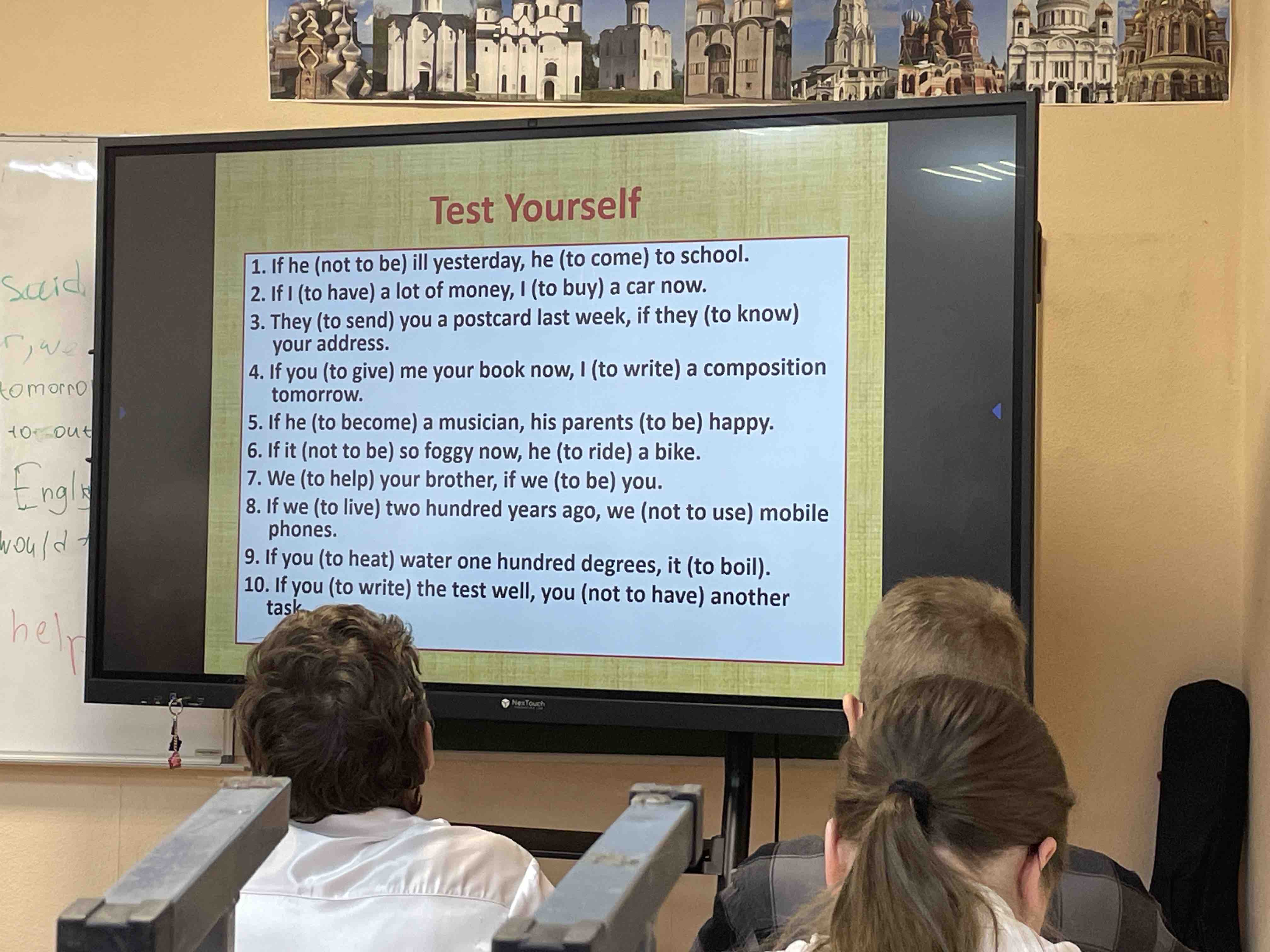
Раскрой скобки

Ответ нейросети

17 апреля 2025 06:53

Для того чтобы раскрыть скобки в английских предложениях, нужно выбрать правильную форму глагола в зависимости от контекста. Рассмотрим каждый пример:

  1. If he (not to be) ill yesterday, he (to come) to school.

    • If he had not been ill yesterday, he would have come to school.
  2. If I (to have) a lot of money, I (to buy) a new car.

    • If I had a lot of money, I would buy a new car.
  3. He (to send) you a postcard last week, if they (to know) your address.

    • He would have sent you a postcard last week, if they had known your address.
  4. If you (to give) me your book now, I (to write) a composition tomorrow.

    • If you give me your book now, I will write a composition tomorrow.
  5. It (to be) foggy, his parents (to be) happy.

    • If it were not foggy, his parents would be happy.
  6. If he (not to be) so busy now, he (to go) with us.

    • If he were not so busy now, he would go with us.
  7. If we (to live) two hundred years ago, we (not to use) mobile phones.

    • If we had lived two hundred years ago, we would not have used mobile phones.
  8. If he (to heat) water one hundred degrees, it (to boil).

    • If he heats water one hundred degrees, it boils.
  9. If you (to write) the test well, you (not to have) another task.

    • If you write the test well, you will not have another task.

Эти предложения относятся к различным типам условных предложений, отражающим реальные и нереальные ситуации.

Задай свой вопрос

Напиши любую задачу или вопрос, а нейросеть её решит

Похожие вопросы 15

Бесплатно Мобильное приложение ГДЗ
Мобильное приложение ГДЗ

Задавай вопросы искуcственному интеллекту текстом или фотографиями в приложении на iPhone или Android

qr-codegoogle-playapp-store

Саша — ассистент в телеграмме

раскрой скобки
Для того чтобы раскрыть скобки в английских предложениях, нужно выбрать правильную форму глагола в зависимости от контекста. Рассмотрим каждый пример: 1. **If he (not to be) ill yesterday, he (to come) to school.** - If he **had not been** ill yesterday, he **would have come** to school. 2. **If I (to have) a lot of money, I (to buy) a new car.** - If I **had** a lot of money, I **would buy** a new car. 3. **He (to send) you a postcard last week, if they (to know) your address.** - He **would have sent** you a postcard last week, if they **had known** your address. 4. **If you (to give) me your book now, I (to write) a composition tomorrow.** - If you **give** me your book now, I **will write** a composition tomorrow. 5. **It (to be) foggy, his parents (to be) happy.** - If it **were not** foggy, his parents **would be** happy. 6. **If he (not to be) so busy now, he (to go) with us.** - If he **were not** so busy now, he **would go** with us. 7. **If we (to live) two hundred years ago, we (not to use) mobile phones.** - If we **had lived** two hundred years ago, we **would not have used** mobile phones. 8. **If he (to heat) water one hundred degrees, it (to boil).** - If he **heats** water one hundred degrees, it **boils**. 9. **If you (to write) the test well, you (not to have) another task.** - If you **write** the test well, you **will not have** another task. Эти предложения относятся к различным типам условных предложений, отражающим реальные и нереальные ситуации.